Therapy for First Responders
You respond when others need help. You deserve support, too.
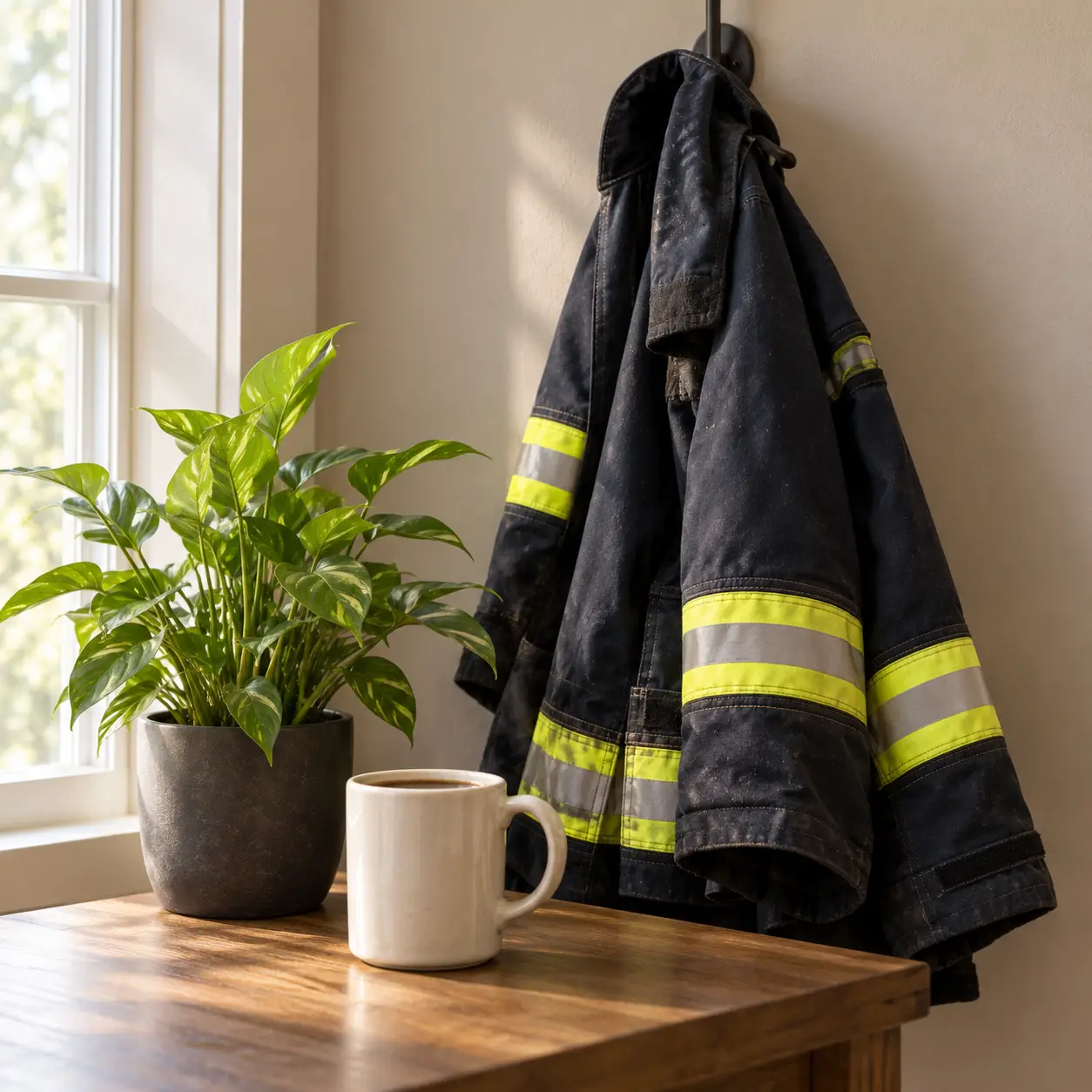
The demands of your work can stay with you long after your shift ends. At Holistic Mind Care, we help first responders navigate anxiety, trauma, and ongoing stress through EMDR therapy, somatic therapy, and nervous system regulation.
First Responders We Support
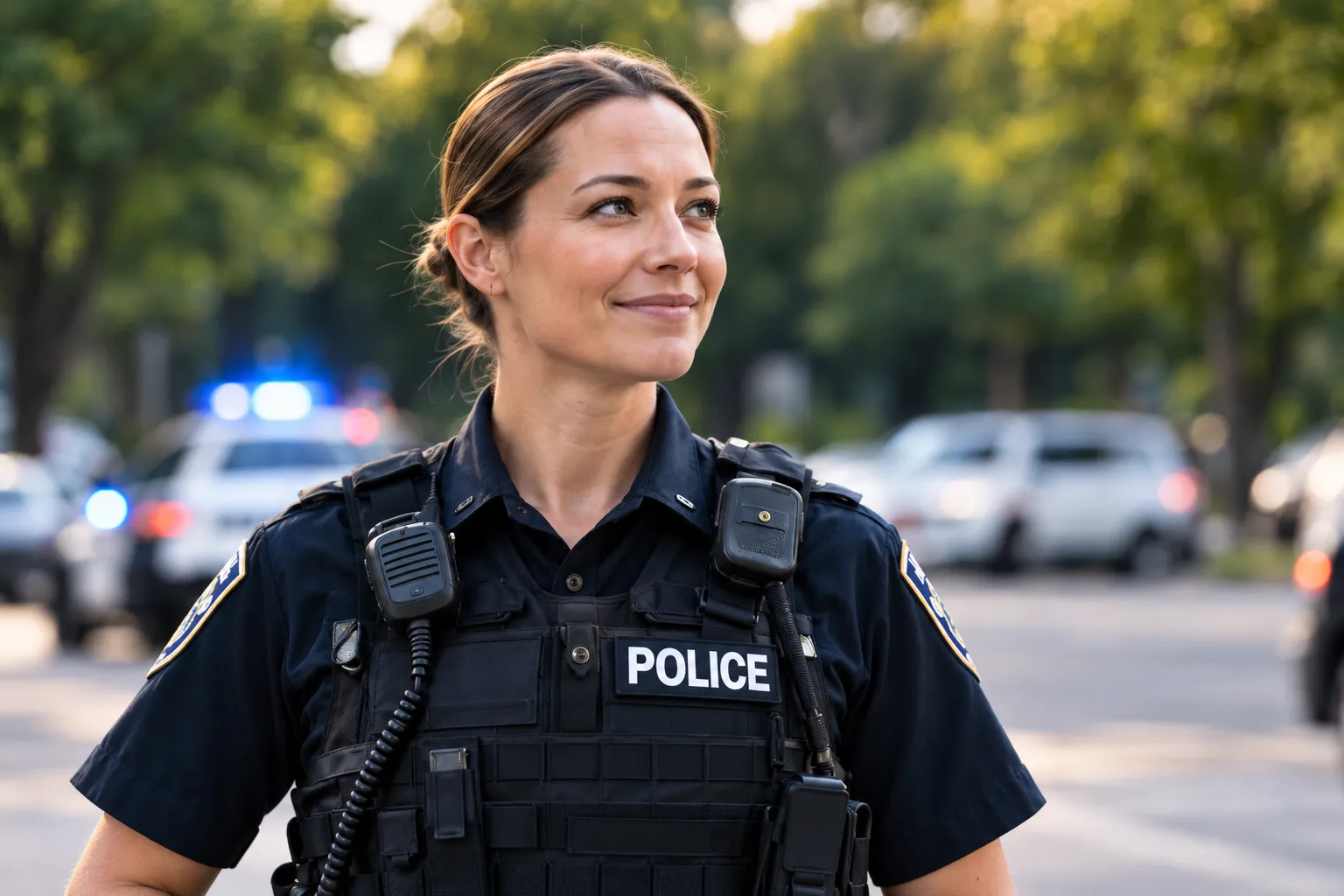
Police Officers
- Process difficult calls and traumatic memories.
- Ease persistent alertness and anxiety.
- Navigate guilt and difficult decisions.
- Reconnect with life outside the job.
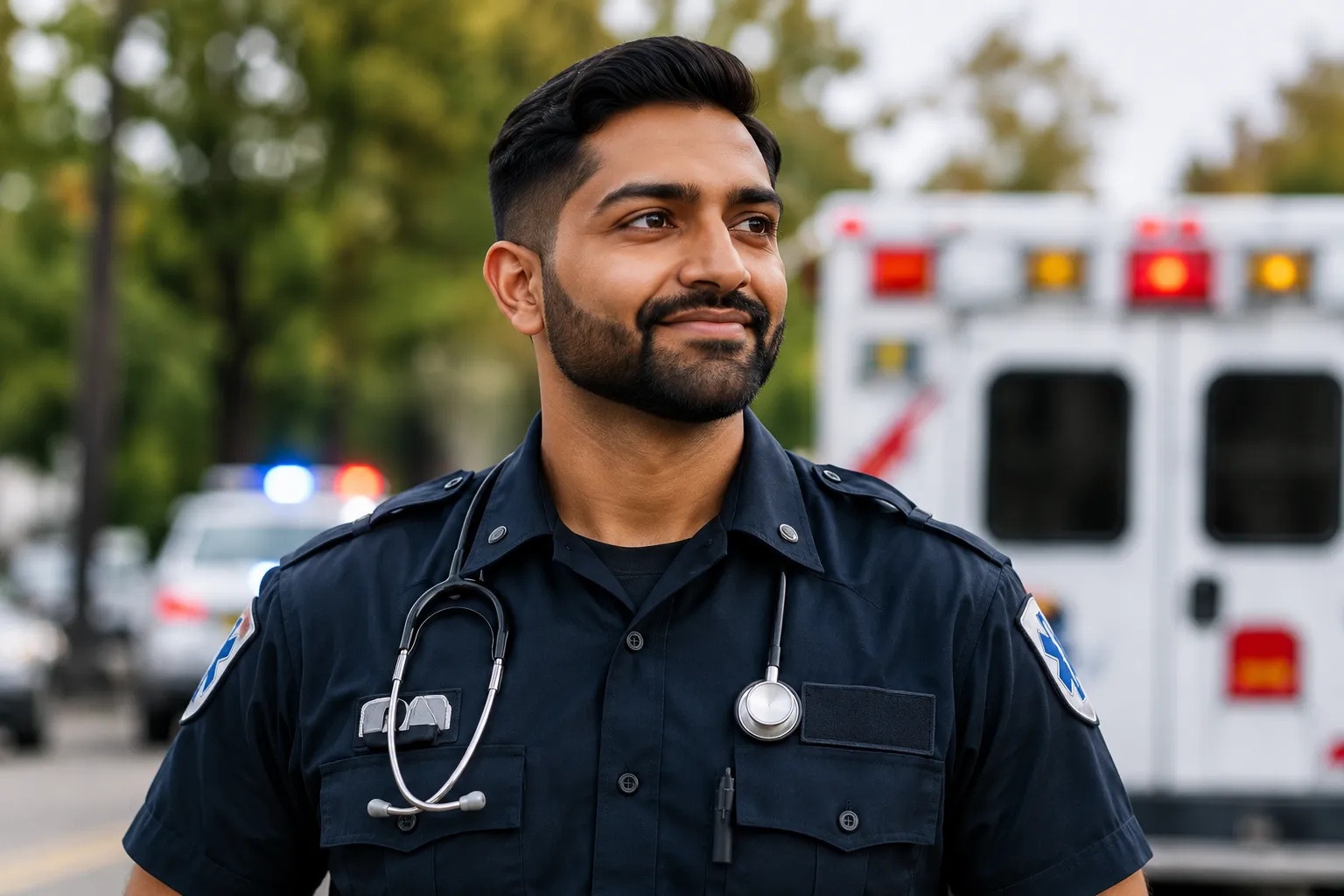
Paramedics
- Process traumatic calls and recurring memories.
- Help your body settle between calls.
- Address helplessness, grief, and guilt.
- Reconnect with yourself and others.
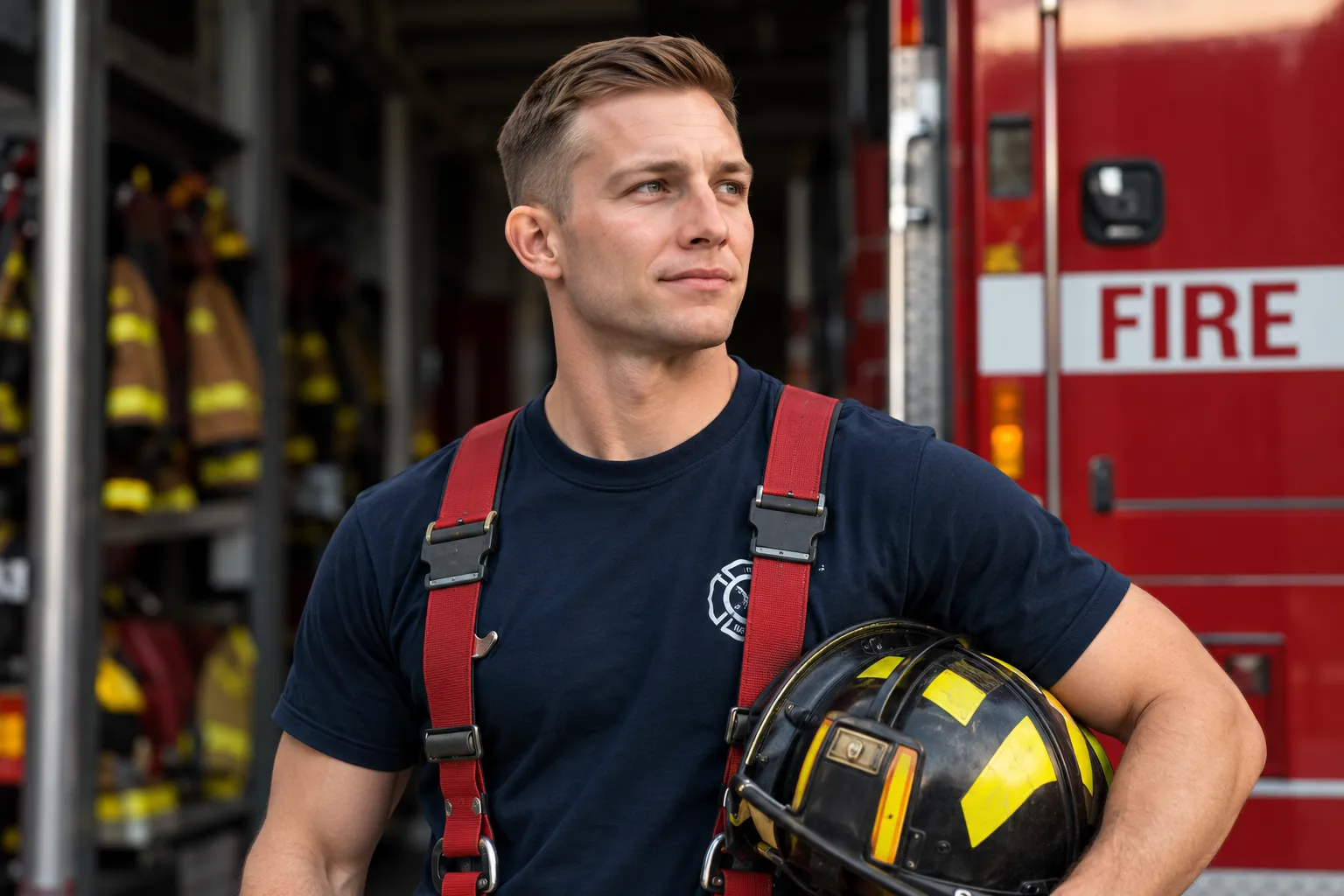
Firefighters
- Address the cumulative impact of difficult calls.
- Understand physical stress responses.
- Work through loss and safety concerns.
- Strengthen life outside the station.
Supporting Other Helping Professionals
Care for others can carry an emotional cost. Your needs deserve attention, too.

Nurses
- Address accumulated grief and distress.
- Work through anxiety and self-criticism.
- Settle after demanding shifts.
- Build boundaries and recover from burnout.

Doctors
- Process distressing clinical experiences.
- Address pressure and fear of mistakes.
- Explore conflicts between values and working conditions.
- Make space for rest and connection.

Teachers
- Manage anxiety and overwhelm.
- Process distressing school experiences.
- Build boundaries around responsibility.
- Reconnect with confidence and purpose.

Psychotherapists
- Process the emotional impact of clinical work.
- Support your own nervous system.
- Work through self-doubt and over-responsibility.
- Strengthen boundaries and reconnect with yourself.
How We Can Help



My Personal Connection to This Work

Lea Konforte, RP
Founder and Clinical Director
My connection to first responders and helping professionals is both personal and professional. I volunteer as a first responder at sporting events, including triathlons and cross-country skiing events. Before becoming a psychotherapist, I spent 14 years teaching in Toronto’s inner-city high schools.
As a teenager, I was airlifted out of a war zone when war engulfed Bosnia. That experience shaped my understanding of what it can mean to face danger, depend on others for safety, and live with the effects of overwhelming events.
Through these experiences, I have felt firsthand the shock of danger and the emotional weight of supporting others through difficult situations. While my experiences are not identical to yours, they help me connect with some of the challenges first responders and helping professionals face on a deeply human, visceral level.
I bring this lived experience together with specialized training in trauma therapy and nervous system regulation, offering support that honours both the responsibility of helping others and your own need for care.
What to Expect
We help you understand what is happening in your mind and body and make sense of the responses you are experiencing. You will learn practical tools to ease emotional pain, release physical tension, manage distressing emotions, and help your body recognise moments of safety.
We guide you through these tools in sessions and teach you how to use them in everyday life—after a difficult call, before sleep, or when emotions feel overwhelming. Together, we discover what works for you, at your pace.